Sustainable Fashion
The very first and basic question that anyone would ask is that "Is sustainable fashion even possible?". The answer is YES. There are tools and techniques which we will discuss which can lead to much less problems and eventually sustainable textile industry. There are brands and companies which are already the leaders in this category and are showing the way to others to follow.

We had previously discussed why is fashion not sustainable in its current form, different issues it is creating. Now we will discuss various solutions which one can follow and all the future trends that are up and coming solving this potential global crisis.

- Buy Less
Make a very conscious call as to whether to NEED that garment or you only WANT it. Avoid "wants", focus only on needs if possible. Less buying will lead to less production and less wastage. Try to increase lifetime of a particular garment rather than always wanting to ride the latest trend and renew your wardrobe
- Buy Used
This may sound cheap, but it is not a bad option. Try to buy used clothes from reasonable places. There are stores and brands which focus on reselling or renting. Try to give a second chance to garments that deserve it. It is time we remove the social stigma around buying second hand clothes or renting clothes. - Wash less
Single use washes are always necessary. Sometimes airing out and washing a small stain is good enough rather than washing the garment completely. Try to maximize the machine load for washing to save on water. Try to use bio-degradable detergents to reduce water pollution.
- Repair
Do not throw away your clothes if there is a small issue with it. Try to repair the issue yourself or from a local tailor. One can use some common fashion sense as well to upcycle the garments into something usable for themselves. - Quality over quantity
Try to focus on quality garments rather than quantity. This, although does not necessarily mean bigger brands. Try to ensure buying garments with longer lifetime so as to reduce number of garments to need to buy eventually, reducing waste - Cotton instead of polyester
Try buying natural fabric garments more than synthetic ones because they are almost always more environmental friendly. Although natural resource utilisation even in case of natural fabrics like cotton is huge, they are bio degradable, thereby having less of an impact on the environment. Always check the garment material used before buying it - Fair Fashion over brands
Try to enquire about the practices followed by the brand and try to cut our brands that prioritise profits over planet.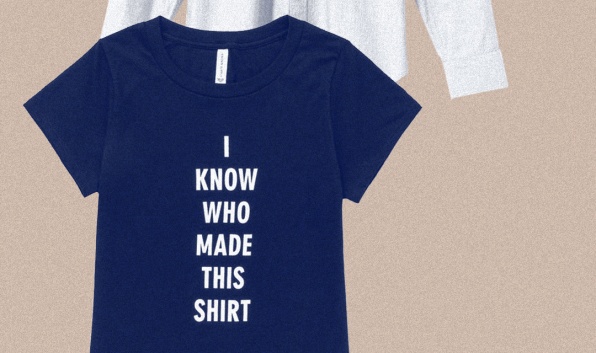
Working more with natural fabrics like cotton definitely helps the environment. But nowadays, with advanced research and technologies there are many more options that have opened up. Other than the new scientific methods, there are other alternative natural fibers as well which are being taken up by different brands like alpaca fiber which is cultivated from south American animal called alpaca, Yak fiber used by companies like BODIOS.
UPCYCLE
As the consumer brands, the manufacturer/marketing companies have the largest reach. So any kind of upcycle, reuse campaigns by these organisations help the whole ecosystem to be more aware about the problem at hand and the associated solution. So, big fast fashion brands like Zara and H&M have been, in recent times, running campaigns to get used garments back from the customer to upcycle them into garments which could be used by a different clientele.
SUSTAINABLE PRACTICES
Providing good working conditions to the artisans and labour in the factories is part of the sustainable practices that need to be followed by the companies. Industrial processes responsible for chemical waste like dyeing, washing etc also need to be better dealt with more responsibility by all the brands. Companies like "Yeh" are already trying to innovate in this space by following dyeing processes involving no water usage by using air pressure.
Leading by Example
Different brands are following different ethical and sustainable practices to solve this global crisis.
Girlfriend Collective
From using used PET plastic bottles as their raw material, thereby recycling plastic, to using fishing nets, to using environment friendly dyes, to water treatment plants for all waste water, to using recyclable packaging material this company is trying to ethically create Activewear.
URL: https://www.girlfriend.com

Alternative Apparel
The “Alternative Apparel” label has stepped out of the box offering more sustainability through the use of organic cotton, recycled polyester and plastic bottles for the creation of eco-fabrics, as well as non-toxic, gentle dyes and water-conserving washes. They also use organic packaging, which the company claims saves 2,100 trees, 860,000 gallons of water, 120 tons of CO2 and 400 cubic yards of landfill every year.
Re/Done
Re/Done is a vintage brand which focuses mainly on denim. It takes vintage denim apart at the seams and repurposes it into new jeans. Every pair is made in Downtown Los Angeles using water-conserving methods without the use of harsh chemicals.
WeAreLabeless
Mehak Tariq Beigh and Pallavi Yadav, graduates from Pearl Academy. In their words "We do have a specific collection. But with the waste we generate, we simultaneously make an upcycled collection. In this way, our production house is zerowaste." The duo use pure handloom fabrics that are left-over as waste by weavers in Bhagalpur to create contemporary outfits
RaasLeela
A Gujarat-based label that works with an all-women artisans team and uses kora cotton to create breathable, comfortable and timeless clothing. They aim to build on the concept of the Indian capsule wardrobe. Celebrating irregularities and imperfections, their 100 per cent handstitched products use the smallest remnants from their atelier to the leftovers from stores and manufacturing units to leave no waste behind

Apart from all the known solutions being used by different brands, there are new modern technologically advanced solutions as well coming to the fore like Biocouture where fabrics are created by plants and micro-organisms like bacteria and yeast. This could very well be the future of textile industry but this is something still in development phase with few successes along the way. To know more about this approach and other general approaches being taken by different brands for sustainability, do check the below documentary
References
- Anon., n.d., https://www.greenstrategy.se/sustainable-fashion/seven-forms-of-sustainable-fashion/ [Online]
- Anon., n.d., https://www.vervemagazine.in/fashion-and-beauty/6-off-beat-indian-brands-commited-to-the-art-of-upcycling#86911-rf-raas/86912 [Online]
- Anon., n.d., https://www.fashionrevolution.org/usa-blog/7-fashion-brands-that-are-designing-out-waste/ [Online]
- Anon., n.d., https://oilprice.com/Energy/Energy-General/How-Much-Oil-Does-The-15-Trillion-Fashion-Industry-Use.html [Online]
- Anon., n.d., https://www.theatrefolk.com/blog/whats-the-difference-between-want-and-need/ [Online]
- Anon., n.d., https://sanvt.com/journal/environmental-impact-of-fast-fashion-infographic/ [Online]


Comments
Post a Comment